Losing a loved one is emotionally challenging, and dealing with their belongings can feel overwhelming. Estate removal involve more than just removing items—they require care, organization, and respect for memories. Whether you are handling it yourself or hiring professionals, understanding the process can make estate removal less stressful.
Start with a Plan
Before you begin the estate removal, take a moment to create a clear plan. List the spaces to clean, such as bedrooms, garages, and storage areas. Decide which items are to be kept, donated, sold, or disposed of. Having a plan helps you avoid confusion and ensures the process is more manageable.
Tip: Take photos of items before disposal to remember sentimental objects you may not keep.
Sort Items Thoughtfully
Sorting is the heart of any estate cleanout. Categorize belongings into four main groups:
- Keep – Items with sentimental or financial value.
- Donate – Clothes, furniture, and household items that are still usable.
- Sell – Antiques, collectibles, or items with resale value.
- Dispose – Broken or unwanted items that cannot be donated or sold.
By organizing items this way, estate removal becomes more efficient and less emotionally taxing.
Consider Professional Help
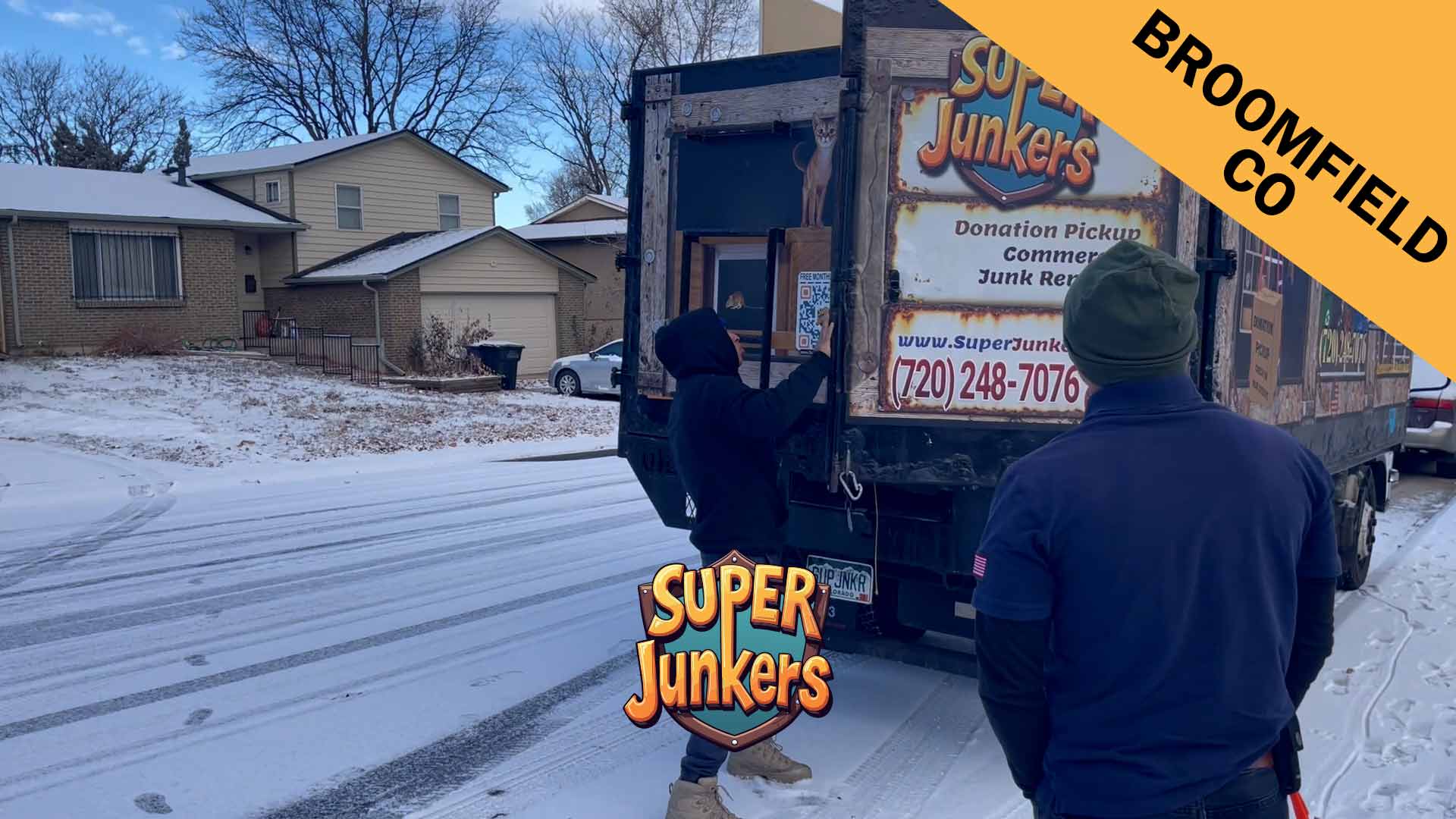
Handling an entire estate removal alone can be exhausting. Hiring professionals can save time and reduce stress. Estate removal services are experienced in packing, transporting, and disposing of items safely. They also provide respectful handling of personal belongings, which can be comforting during a difficult time.
Keep Legal and Financial Matters in Mind
During estate cleanouts, make sure to address any legal and financial concerns. Check the will, inventory assets, and consult with an attorney if necessary. Proper documentation ensures that valuable items are accounted for and distributed correctly.
Tip: Keep receipts for donations—they may be tax-deductible.
Donate or Recycle Thoughtfully
Part of estate removal involves finding new homes for items your loved one no longer needs. Donating to charities, shelters, or local organizations gives items a second life and helps the community. Recycling electronics, appliances, and hazardous materials ensures you dispose of items responsibly.
Take Care of Yourself
Estate cleanouts can be emotionally draining. Take breaks, ask for help from friends or family, and allow yourself time to grieve. Handling belongings at your own pace is okay—there’s no need to rush.
Conclusion
Estate cleanouts after losing a loved one can feel overwhelming, but with a clear plan, thoughtful sorting, and the right support, estate removal becomes manageable and even meaningful. Whether you hire professionals or handle it yourself, the key is to approach the process with care and respect for both the belongings and the memories they hold.